Daniel Hart, Slot Maths Analyst and Editor
The analyst behind these pages, Daniel Hart, tests and signs every one of them on Book of Dead, and the studio account 55949 in the UK Gambling Commission register is where the licence gets checked. The studio ships this title in five return configurations rather than one, so no single percentage is quoted here without naming whose figure it is. This profile sets out the method, the 4 sections covered, the 25 signed pages, and how to reach the editors.
Table of contents
About This Reviewer and the Byline
The byline is a role, not a resume. The reviewer byline on Book of Dead belongs to a narrow role. Play the title in the developer own free demo, read the paytable and the rules screen end to end, then report only figures that Play'n GO, an operator or a licence register has put on record. Independent slot analyst who plays the title in the developer's own demo, reads the paytable and the in-game rules screen end to end, walks the bet steppers to their stops, checks operator terms and licence registers, and records the numbers seen rather than the numbers advertised.
The name here is provisional. The identity behind this byline stands in until a real one is verified, and it will be replaced with a real, verifiable person before launch, because a page about money owes its reader a name that can be checked. Credentials, employers and social profiles stay off this page until they exist in public.
In Short, What the Analyst Signs
Here's the deal on this profile: it's a method, not a resume. Every figure on the 25 pages is printed beside the document it came from, and the schema names a role because a role is what can be verified today.
If a number isn't printed by the provider, an operator or a regulator, the page says not confirmed and moves on. That's the whole promise, so the sections below simply show it working.
- Role
- Slot Maths Analyst
- Focus
- One slot, its maths and the lobbies carrying it
- Method
- Demo first, paytable checked against the rules document, sourced numbers
- Scoring
- 1 to 10, across 5 named criteria for a game verdict
- Writing since
- Contact
- Editorial contact page
What Should You Check Before You Start?
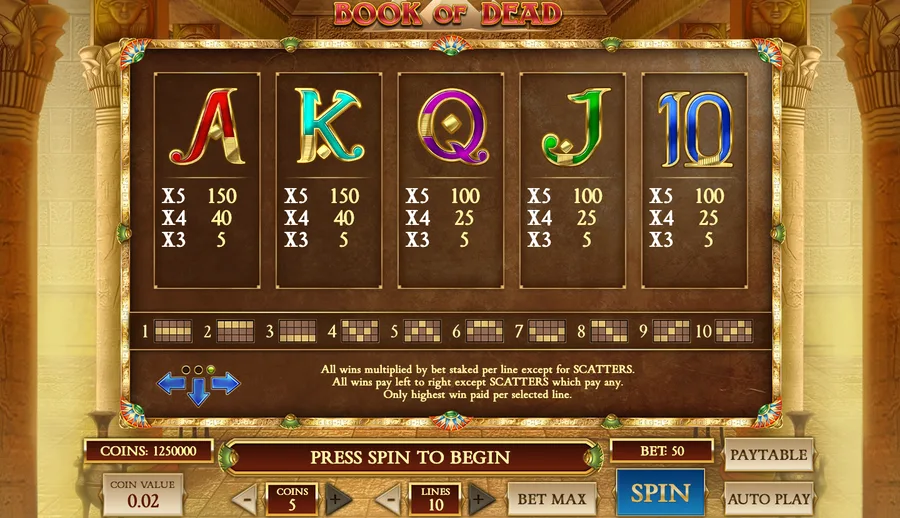
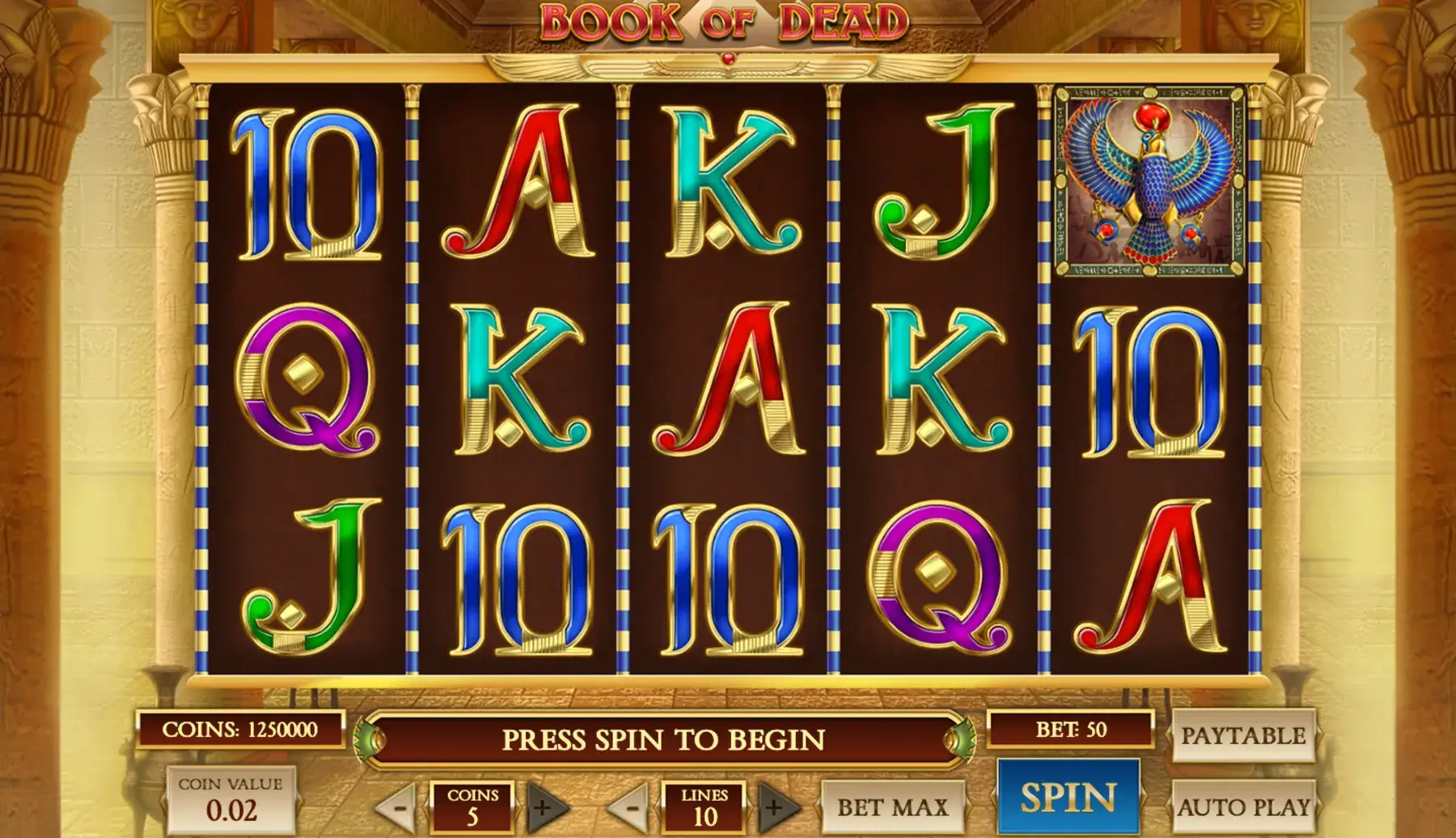
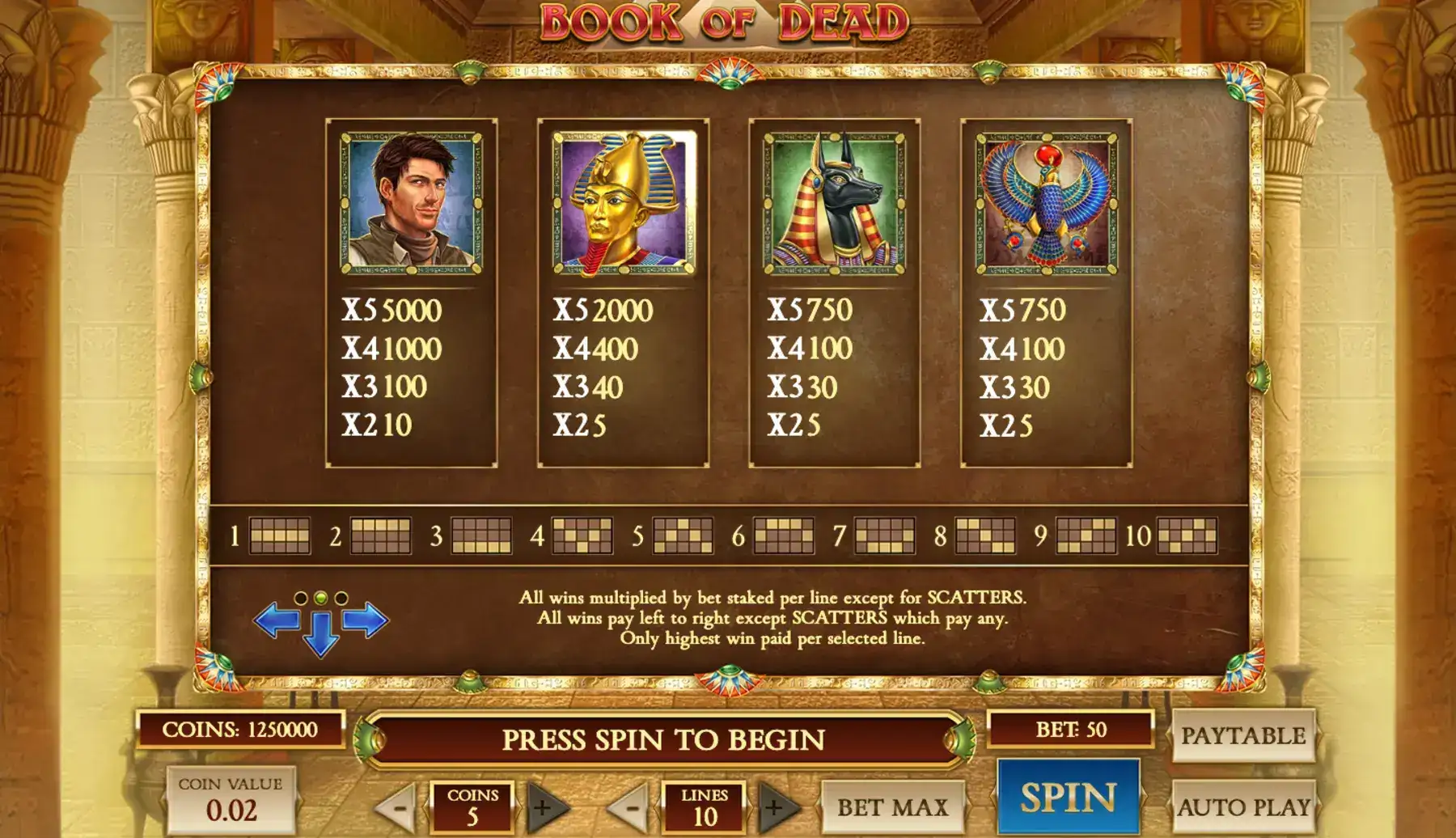
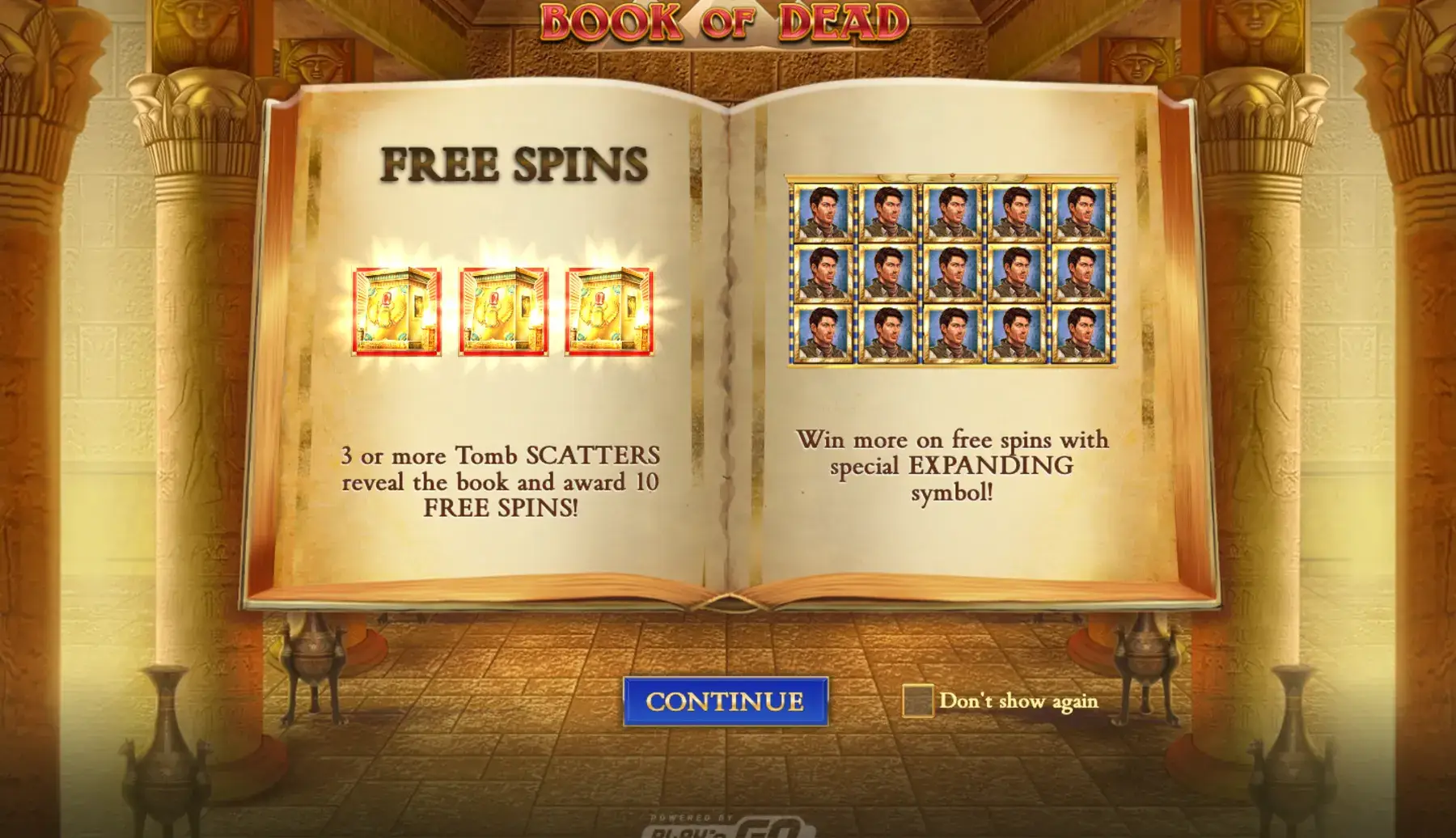
Four checks are worth making before you start, and the free demo makes every one of them available for nothing. Open the paytable first, then compare what the rules screen shows against what the studio publishes elsewhere.
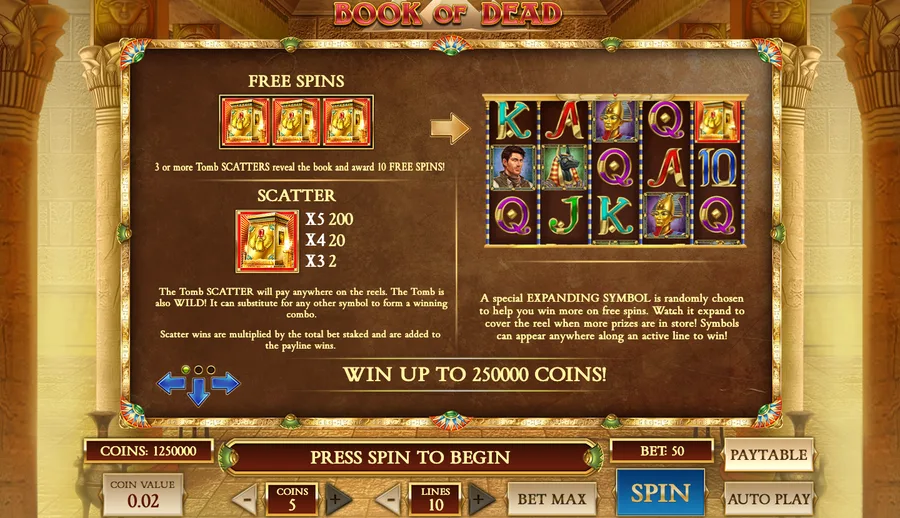
- Load the free demo and page through the paytable, which ends on the line WIN UP TO 250000 COINS.
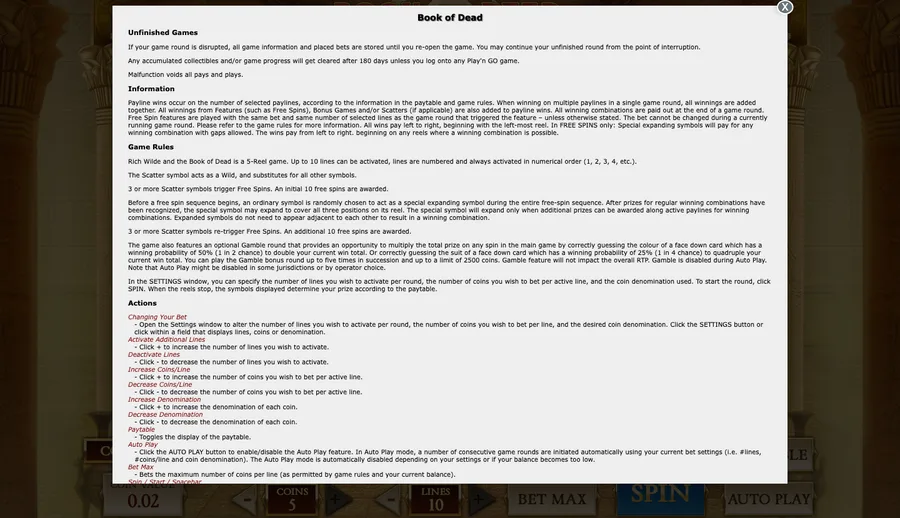
- Open the rules screen and look for a return figure, because the public demo prints none at all.
- Check the studio account number in the regulator register, according to the date you read it.
- Read the return your own casino publishes, since the operator picks which of five versions to run.
The same client loads inside an operator lobby, which is where the analyst met it again, and all 25 pages here are dated. Doing this in advance turns the rest of this profile into a cross-check instead of a claim.
How This Analyst Tests a Game
The analyst starts every test in the free demo client, because a demo is the one place where a slot runs without a stake and without an operator account. Daniel records each session and writes down the bet, the running balance and the outcome of every spin.
Two sessions of stand behind every first-hand sentence on this site. The first ran 46 paid spins at a 1.00 bet and returned 31.50 against 46.00 staked. The second ran 204 paid spins and returned 176.00 against 204.00. Both are far too small to measure anything, and both are labelled that way wherever they appear.
Only then does the analyst read the current provider game page and the operator terms as they now stand. Testing happens in play money, so withdrawal speed is quoted from the terms instead of timed by hand. That limitation is printed on every page it touches.
There is no seed-and-hash panel to re-check here, and no page pretends otherwise. This is a reel game running on a certified generator, so a single spin cannot be recomputed by anyone, and the analyst records what the client prints and checks the studio licences by number instead. The full procedure sits on the testing method page, which every review links from its byline.
5 Types of Check, Compared in a Table
No criterion outweighs another. Five criteria carry the same weight in every game verdict, and each one measures a separate thing, so a page states them instead of blending them into a mood. Return configuration, licensing, the feature, the bet grid and disclosure all count the same, which makes the headline figure their plain average.
| Criterion | What is verified |
|---|---|
| Return configuration | Which of the five published returns applies, and whether the operator says which one it runs. |
| Licence and certification | The studio account number in its register, and whether any laboratory certificate names this title. |
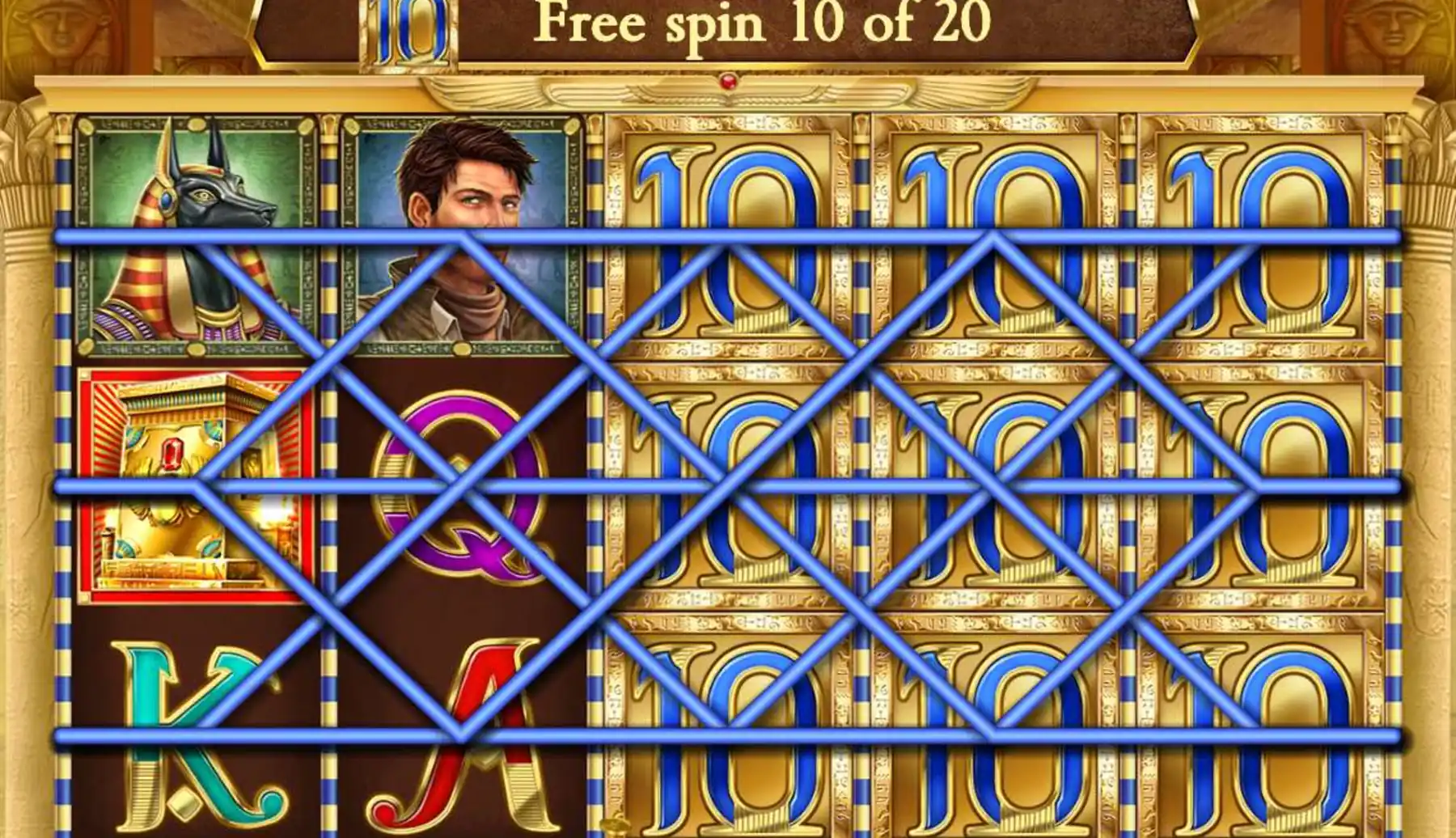
| The feature | How the free spins trigger, how the expanding symbol is chosen, and what the sequence actually paid in our sessions. |
| Bet grid and ceiling | The three steppers that build a bet, walked to their stops, and the ceiling the paytable prints in coins. |
| Disclosure | Whether every number on the page can be traced to a source a reader can open. |
Which Score Means Play Again?
Seven out of 10 is the line where a game earns a replay. A score of 7 or higher means the analyst would open the demo again. A score of 5 out of 10 or lower arrives with a named alternative, so a reader always has somewhere better to go.
The score appears in the first 100 words of a review and again in the verdict. A reader who stops early still leaves with the answer, which is the point of printing it twice.
What This Analyst Covers, and Its Limits
This analyst covers one game, and nothing else. Coverage stays deliberately narrow, and compared to a multi-game portal that is the whole point. The subject is this title and its ecosystem: the five return configurations, the coin ceiling, the expanding-symbol feature, the operator lobbies carrying it in Italy, and how a casino bonus treats a spin on it. Since 2026 that has produced 25 pages in 4 sections.
The list of pages below runs in reading order. Start with the Book of Dead review for the verdict, then move to the operator pages for lobby detail. Play'n GO supplies the game, while the casinos listing it answer to their own regulator and pick which certified return to run.
- Mechanics and controls, learned and recorded in the free demo.
- The bet grid and the coin ceiling, quoted from the paytable and the settings panel themselves.
- Studio licences, checked by account number in the regulator register.
- Operator pages written from concession numbers in the ADM register and from what each casino publishes itself.
- Responsible gambling limits and warning signs, with the tools a licensed account actually offers.
The gaps in the public record are worth naming out loud, and several of them are real, so they are printed as problems instead of hidden.
Here is the shortlist a reader should carry into any casino lobby. The studio contradicts itself on volatility across its own two rules documents, no laboratory certificate names this title anywhere, and eight of the twelve Italian operators we checked publish nothing about how a bonus treats this game. Each of those gaps is printed where it applies.
What Is Verified, and What Is Not?
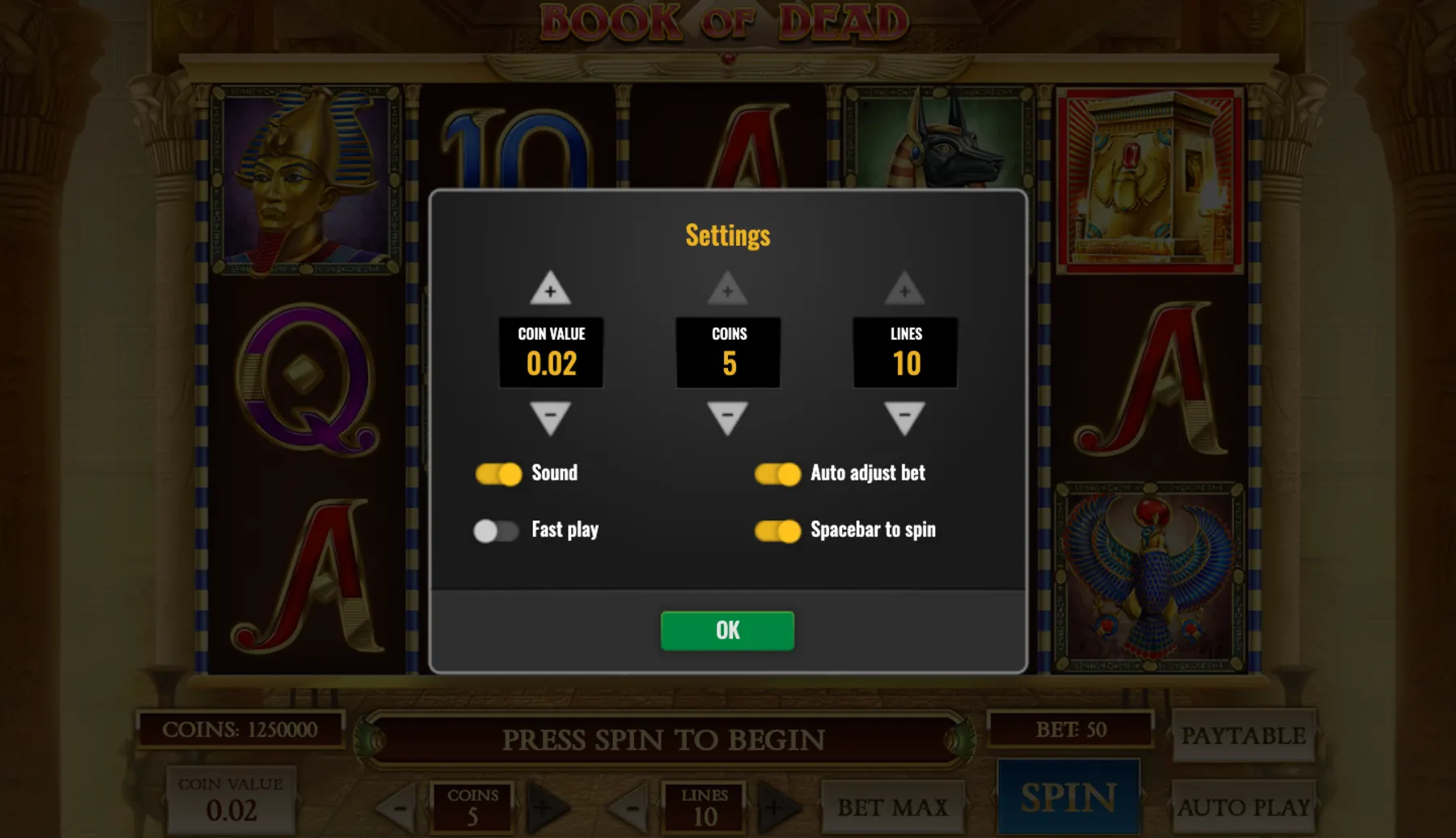
The verified list starts with the paytable. Every symbol value on the three paytable screens was read off the client and then checked line by line against the studio own Game Rules and Settings document, and the two agreed. The bet grid was walked to its stops by hand: a coin runs 0.01 to 2.00, coins per line run 1 to 5, and lines run 1 to 10.
The registers cover the licence half. The British register lists account 55949 for the studio with the number of regulatory actions against it shown as zero, and Malta lists authorisation MGA/B2B/225/2012 as a licensed Type 1 service. Those entries move whenever anything is renewed, so check them on the day you read a page.
The limits are just as real. A spin cannot be recomputed, no laboratory publishes a certificate naming this title, and the operator terms that would settle a wagering question sit behind a block that refuses traffic from outside Italy. You will see each gap stated instead of smoothed over.
Pages This Analyst Has Signed
The index below is generated from the database instead of typed by hand, so every one of the 25 content pages appears in it, each with its section and the date of its last edit. A page therefore cannot quietly drop out of the list.
A page that was merely rebuilt keeps its old date, because a build is not an edit. However, a page re-checked against a changed operator term gets a fresh date the same day, so you can tell one page from another at a glance.
Each page in the index carries its section beside it, and each links straight through to the work itself. A page edited this morning shows that date; a page merely rebuilt keeps the older one.
Every page above is a page the analyst has read end to end, and no page enters the list until its sources are checked. The date shown on each page is the one of its own last edit.
Terms This Profile Uses
- Return to player
- The share of all stakes a game hands back across millions of rounds, published here by the studio as five separate configurations rather than one number.
- Certified generator
- A random number generator audited by an outside laboratory, which a player has to take on trust because no certificate names this title.
- Expanding symbol
- An ordinary symbol chosen at random before a free-spin sequence begins, which then fills its whole reel for the rest of that sequence.
- Not confirmed
- The label printed whenever no provider page, operator term or licence register states a figure the reader asked about.
Where the Return Figures Disagree
The return figures disagree between the studio and the casinos running its game, so the table sets them beside one another instead of averaging them. Readers can then weigh each figure against the party that printed it.
| Where the figure comes from | Figure printed | How it is treated |
|---|---|---|
| The studio rules document | 96.21% default, plus 94.25%, 91.25%, 87.25% and 84.18% | Five certified configurations; the operator chooses, and the document says so outright |
| Eurobet, an ADM concessionaire | 94,25% | Quoted as that operator own figure, because it is the version that lobby publishes |
| SNAI, an ADM concessionaire | 96,21% | Quoted with the warning SNAI itself prints about lower versions existing elsewhere |
The Sessions on Record
Two sessions stand behind every first-hand sentence on this site, and both ran on play money alone. Splitting them below separates what the base game returned from what the one feature in each run paid.
| Session | Paid spins | What it returned |
|---|---|---|
| First run, 30 September 2026 | 46 at a 1.00 bet | 31.50 against 46.00 staked, with one feature paying 675 coins |
| Second run, 30 September 2026 | 204 at a 1.00 bet | 176.00 against 204.00 staked, with one feature paying 3,250 coins |
What the Client Prints for Itself
The paytable and the settings panel print their own figures, and the analyst copies them exactly as they appear. Nothing in the table below is inferred from a catalogue.
| Field | Value as shown in the client |
|---|---|
| Win ceiling | 250,000 coins, printed on the paytable and nowhere else |
| Return figure | None in the public demo; a jurisdiction build adds one line naming the default |
| Bet range | 0.01 to 100.00, from a coin of 0.01 to 2.00 across 1 to 5 coins and 1 to 10 lines |
| Gamble ceiling | 2,500 coins, and no more than five attempts in succession |
Corrections, Contact and the Reply Rule
Corrections travel one way only. One page, one sentence and one document settle most of them. They go through the contact page: name the page, quote your sentence, attach the source you believe is right. If your source holds up, the page changes and its update date moves. Where two sources disagree, they are printed side by side, with a note on which one the studio stands behind.
- Send the page URL and the exact sentence you dispute.
- Attach the document that shows the correct value.
- Give the date you read that document, because operator terms move.
- Say whether you want to be credited by name.
Readers who want the whole procedure should read how we test it and the terms of use. Before any deposit, read the responsible gambling page; every page here is written for adults aged 18 or over.
Does a Demo Score Mean Anything?
A demo score means something narrow, and the page says so: it measures mechanics, licensing and sourcing, and it never measures how a bankroll behaves under real pressure.
Readers who want the wider answer should read the limits above before the verdict below. A score summarises a pile of documents and two recorded sessions, and nothing beyond that.
Recap: What These Analyst Pages Promise
Two promises close this profile. If you want the short answer on any figure, the studio rules document is the better source, and it wins every time. Nothing reaches a reader that a document does not already carry. Coverage runs to 25 pages in 4 sections, and every one of them carries a byline and two dates.
The weaknesses stay on the page beside the strengths, because a profile nobody could argue with is worth nothing. The about page explains where the money comes from, and why a commission leaves a score untouched.
Deposits and identity checks stay on the operator's own secure site.
Related Reading on This Game
More on this game, from the same section first: